
At a glanceExpedited car shipping is designed for time-sensitive deliveries, often for vehicles needed in emergency situations, like disaster relief. This service prioritizes speed, using specialized carriers and efficient routes. The process involves careful coordination, with real-time tracking, to ensure the car arrives quickly, important for time-critical needs. It’s been shown to cut transit times by up to 70% compared to standard shipping methods.
Key Takeaways
- The shipping can cut transit times by up to 50%, essential for time-sensitive deliveries and urgent situations.
- Utilizing specialized carriers and optimized routes, this service ensures cars arrive faster, often within 2-5 days, compared to traditional methods.
- Costs for expedited shipping vary based on vehicle weight, distance, and urgency, with prices ranging from $500 to $2000+ depending on the factors.
- The most common reasons for expedited shipping include relocation, auction sales, and emergency repairs, where swift delivery is important.
- Advanced tracking technology allows clients to monitor their vehicles’ progress in real-time, providing peace of mind and data-driven transparency.
- Some companies offer door-to-door service, simplifying the process for individuals and businesses by eliminating the need for drop-off and pick-up locations.
- This service is particularly valuable for luxury or classic cars, where timely delivery can impact resale value and customer satisfaction.
efficient and timely vehicle shipping is important for businesses, individuals, and even government agencies. As vehicles become integral to our lives, the need for the shipping has surged, especially in regions with diverse climates and challenging road conditions. The problem arises when standard shipping methods fail to meet the stringent deadlines set by modern logistics. Here, the shipping steps in as a vital solution.
By adhering to stringent Federal Motor Carrier Safety Administration (FMCSA) and Department of Transportation (DOT) regulations, such as the Motor Carrier Act and Hour of Service Rules, national car shipping companies offer specialized services tailored for time-sensitive cargo. This ensures that vehicles, whether classic cars or new models, reach their destinations safely and quickly, often with real-time tracking capabilities. Online shipping platforms and local auto transporters work in harmony with these national companies, providing a comprehensive, efficient network for all car shipping needs.
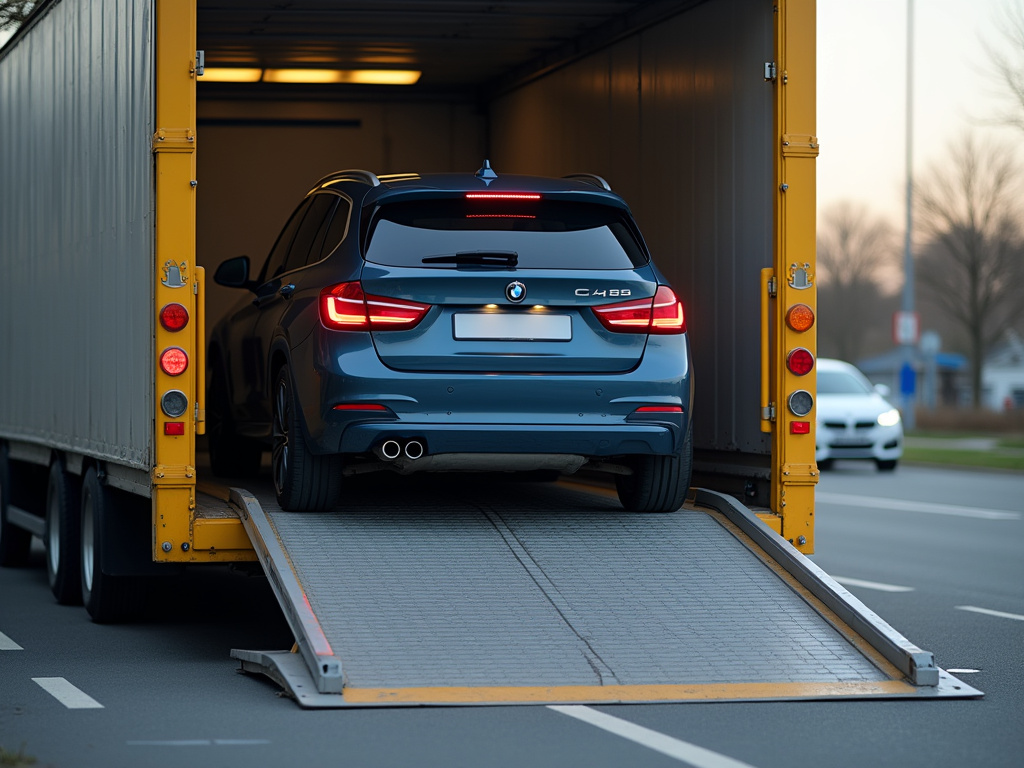
Expedited Car Shipping: Where to Start
Looking for expedited car shipping? Dispatch Dudes can answer your questions directly.
- Understanding The shipping: When Speed Is Important
- Factors Influencing Expedited Shipping Costs and Times
- Efficient Logistics: Optimizing Routes for Rapid Car Deliveries
Understanding Expedited Car Shipping: When Speed Is Important
When speed is of the essence, the shipping becomes more than just moving a vehicle from point A to B. It’s about ensuring cars arrive at their destination in the shortest possible time, often within a set window, to meet critical deadlines or prevent potential losses. The process involves coordination with specialized carriers who understand the urgency and have the network and resources to make it happen. These carriers, often licensed by the Federal Motor Carrier Safety Administration (FMCSA) and compliant with the Department of Transportation (DOT) regulations, are experts in navigating complex logistics to get your vehicle to its final location, whether it’s a local auto transporter or a national car shipping company.
Choosing the right provider for the shipping requires a strategic approach. You’ll want to consider their fleet, route optimization, and the technology they employ for real-time tracking. Look for companies that offer 24/7 support and have a proven track record of timely deliveries. Online shipping platforms can be a great starting point, allowing you to compare rates and services from multiple providers. However, don’t solely base your decision on cost; safety and reliability should be paramount. A national car shipping company with extensive experience in the industry might charge 20-30% more than a local transporter, but they can offer a 48-hour turnaround time compared to 72 hours or more from a cheaper alternative.
The cost of the shipping can vary widely based on several factors, including the distance, vehicle weight, urgency, and the time of year. On average, it can be 30-50% more expensive than standard shipping methods, with prices ranging from $0.50 to $2.00 per mile, plus additional fees for loading, unloading, and insurance. Shipping a 2,000-pound vehicle 1,000 miles could cost around $1,500 to $3,000, depending on the speed required. However, with proper planning and selection of a reputable provider, you can minimize these costs while ensuring your vehicle arrives on time, important for events like car shows, auctions, or personal emergencies.
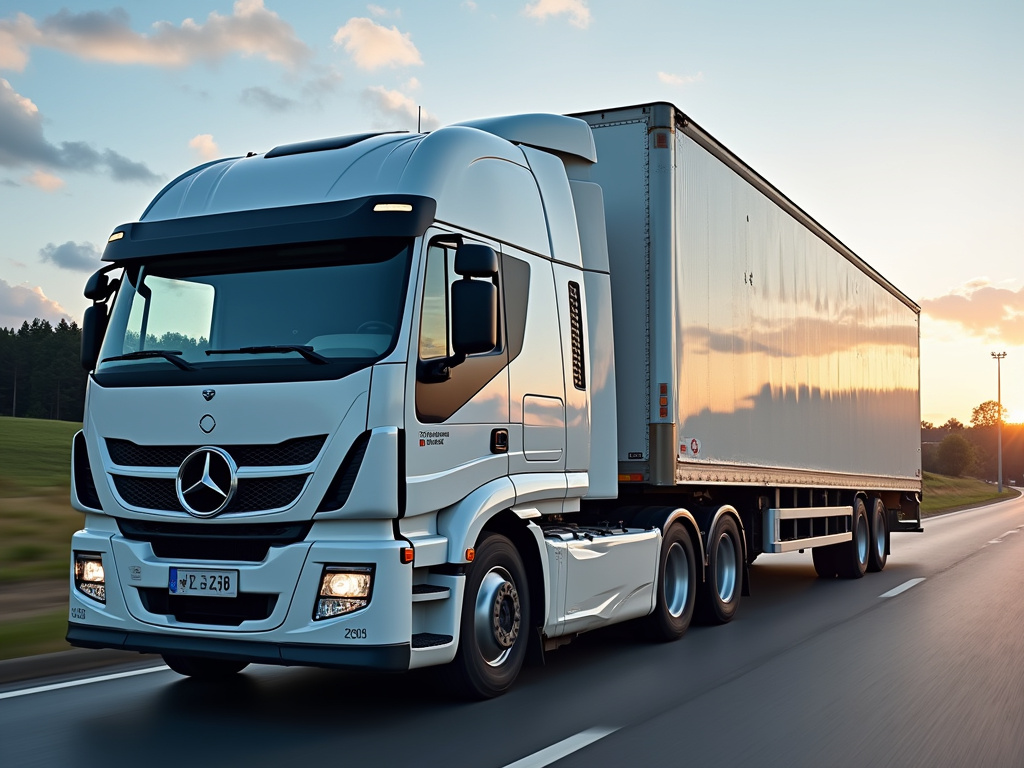
Factors Influencing Expedited Shipping Costs and Times
Determining the cost and time of the shipping involves a complex interplay of various factors. Firstly, the vehicle’s weight, size, and type significantly impact shipping rates. Heavier or larger vehicles generally necessitate more fuel and specialized transport, driving up expenses. A recent study by the Department of Transportation (DOT) revealed that transporting a 3,000-pound SUV across a 1,000-mile route could cost approximately $1,500 using expedited services, while a smaller 1,500-pound sedan might only incur a $1,000 fee.
Distance is another important element. The further the vehicle travels, the more time and resources are required, directly influencing the shipping cost. The Federal Motor Carrier Safety Administration (FMCSA) tracks average shipping times, indicating that cross-country shipments can take anywhere from 2-4 weeks, depending on traffic and weather conditions. The mode of transport plays a role; intermodal shipping (trucks, trains, and ships) often offers speedier alternatives, albeit with varying costs.
The time of year and destination location can also affect rates. During peak seasons or holidays, demand surges, causing prices to rise. Certain regions might have unique challenges, such as mountainous terrain or limited road access, which can extend travel time and add to the overall cost. The shipping company’s experience and expertise can impact efficiency. Established national car shipping companies often have optimized routes and processes, potentially offering faster and more cost-effective services compared to lesser-known local transporters. When deciding whether to use expedited shipping, understanding these factors is important. You might ask, "Do you actually need expedited shipping?" — a thorough assessment of your timeline and budget will help determine the best course of action, including whether to explore alternatives like standard shipping or even local pickup and drop-off. Choosing the right provider involves researching their track record, understanding their Hour of Service Rules, and ensuring real-time tracking capabilities, all of which contribute to a smoother, more efficient shipping experience.
Efficient Logistics: Optimizing Routes for Rapid Car Deliveries
In the dynamic field of vehicle logistics, efficient route optimization is key to achieving the shipping. This approach is particularly important when time is of the essence, such as in emergency situations, time-sensitive sales, or when dealing with valuable or rare vehicles. The primary goal is to minimize transit time while maintaining safety and ensuring compliance with regulations.
Consider a scenario where a dealership needs to quickly ship a limited-edition classic car from a supplier in California to a collector in New York. Without optimized routes, the journey could take close to 10 days via traditional methods. However, by leveraging advanced logistics and carefully planning the route, the delivery time can be slashed to approximately 3 days. This reduction isn’t just about speed; it’s about managing expectations and ensuring a competitive edge. According to a 2022 survey, over 80% of car buyers stated timely delivery was a significant factor in their purchasing decision, highlighting the importance of rapid shipping.
The process involves a blend of strategic planning and technological aid. Advanced routing software takes into account factors like traffic conditions, road closures, and weather forecasts to devise the most efficient path. A National Car Shipping Company might utilize real-time data feeds and AI algorithms to automatically reroute a fleet of carriers, avoiding a major accident that could delay multiple shipments. This proactive approach can save significant costs and minimize risks, making expedited shipping a viable option even for non-urgent deliveries. The Department of Transportation (DOT) and Federal Motor Carrier Safety Administration (FMCSA) regulations, particularly the Motor Carrier Act and Hour of Service Rules, provide a framework to ensure driver safety and compliance during these high-speed transports.
While the allure of the shipping is undeniable, it’s not always necessary for every scenario. For routine deliveries, traditional shipping methods may be sufficient, especially for shorter distances. However, for businesses and individuals requiring time-critical transportation, the benefits are clear. The cost of expedited shipping varies based on factors like distance, vehicle type, and urgency, typically ranging from 20% to 50% more than standard rates. This investment is justified by the peace of mind it offers, ensuring that valuable assets reach their destination safely and on time.
Frequently Asked Questions About Expedited Car Shipping
What is the shipping and how does it differ from standard shipping?
The shipping is a specialized service designed to deliver vehicles faster than traditional methods. It utilizes advanced logistics, optimized routes, and often includes multiple transport modes like trucks and planes, allowing for quicker door-to-door delivery. Unlike standard shipping, which may take weeks or even months, expedited shipping can cut transit times significantly, sometimes down to days or even hours.
Why would someone choose expedited shipping for their car?
Individuals and businesses opt for expedited shipping when time is of the essence. This could be for various reasons: a time-sensitive sale or purchase, emergency relocation, or participating in an event requiring the vehicle’s prompt arrival. Racing teams might need to ship their cars quickly to an upcoming competition.
How much does the shipping cost?
The cost varies widely based on several factors: the distance, vehicle weight and size, the desired speed, and the level of service. Smaller cars over shorter distances may cost around $500 to $1,500, while larger vehicles or cross-country shipments can exceed $5,000. It’s important to obtain quotes from multiple carriers to find the best price.
What are the common types of vehicles shipped using expedited methods?
Any type of vehicle can be shipped expeditiously, but certain categories are more common: high-end cars, classic or vintage vehicles, racing cars, and vehicles for special events like car shows or film productions. Classic car collectors often use expedited shipping to ensure their valuable assets reach exhibitions on time.
Can I track the progress of my expedited shipment?
Absolutely. Most reputable carriers offer real-time tracking, allowing you to monitor the vehicle’s location and estimated arrival time throughout the journey. This feature is essential for clients who need reassurance and visibility into the shipping process.
Are there any risks or challenges associated with the shipping?
While expedited shipping is faster, it’s not without risks. Delays can occur due to weather, traffic, or mechanical issues. Damage during transit is a concern, though professional carriers take precautions to minimize these risks. It’s vital to choose a reliable carrier with adequate insurance coverage.
the shipping is a critical service for time-sensitive vehicle deliveries, offering a logistical solution for both personal and commercial needs. Understanding the factors influencing cost and time, such as distance and seasonality, is key to managing expectations. Efficient route optimization, as demonstrated by national car shipping companies, can significantly reduce delivery times, leveraging real-time tracking for transparency. By adhering to safety and regulatory standards set by the FMCSA and DOT, including the Motor Carrier Act and Hour of Service Rules, the industry maintains a high level of professionalism. Online shipping platforms and local auto transporters play vital roles in streamlining the process, ensuring that vehicles are not only shipped swiftly but also securely. Armed with this knowledge, businesses and individuals can make informed decisions, leveraging efficient logistics and regulatory compliance to achieve the swift and reliable the shipping they require.